
High Courts
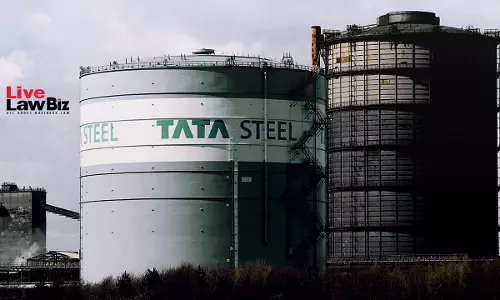
Delhi High Court Sets Aside Arbitration Against Bhushan Steel Following Tata Steel Takeover
The Delhi High Court has set aside an arbitral tribunal order that allowed arbitration to continue against Tata Steel, formerly Bhushan Steel, even after its resolution plan under the Insolvency and Bankruptcy Code was approved. A single-judge bench of Justice Amit Sharma allowed Tata Steel's writ petition and quashed the tribunal's October 7, 2020 order. The court said that once a resolution plan is approved, it binds all creditors. “The Resolution Plan had attained finality and would be...
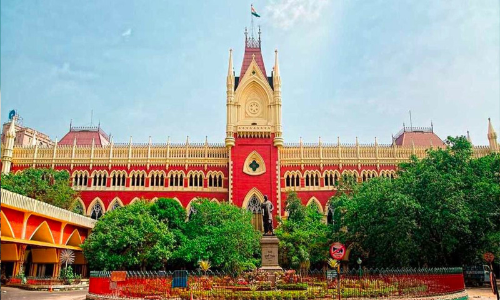
Bank Can't Freeze Company's Accounts Solely Over ROC's 'Management Dispute' Tag: Calcutta High Court
The Calcutta High Court has held that a bank cannot freeze a company's accounts merely on the basis of a “management dispute” marking by the Registrar of Companies (ROC), particularly after such marking has been removed on the directions of the Ministry of Corporate Affairs (MCA).Justices Sabyasachi Bhattacharyya and Supratim Bhattacharya made the observation on January 5 while hearing appeals filed by Ravindra Pratap Singh, director of August Agents Limited, challenging the freezing of the...
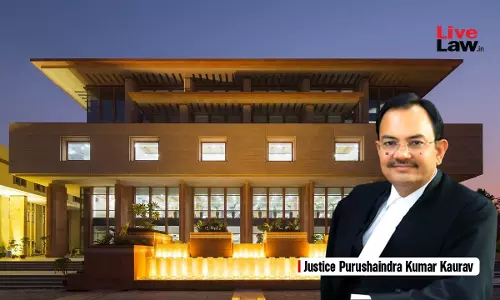
Delhi High Court Dismisses 'Luxury Litigation' Over Debt Assignment, Reaffirms NCLT Power To Probe Fraud
The Delhi High Court has dismissed what it described as “luxury litigation” challenging a debt assignment, saying issues of fraud or the existence of debt must be decided by the insolvency tribunal, not a civil court. A single-judge bench of Justice Purushaindra Kumar Kaurav rejected the suit at the threshold, holding that it was a “mala fide attempt” built on “clever drafting” to derail proceedings under the Insolvency and Bankruptcy Code. The court imposed costs of Rs 2 lakh, saying the case...
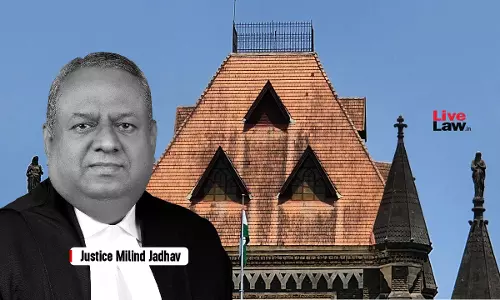
High Courts Cannot Exercise Parallel Contempt Jurisdiction Over NCLT In IBC Cases: Bombay High Court
The Bombay High Court on Monday held that contempt petitions alleging breach of orders passed by the National Company Law Tribunal in insolvency cases cannot be filed directly before the High Court. A single-judge bench of Justice Milind N Jadhav said that once contempt powers are conferred on the NCLT by law, the High Court should not exercise parallel jurisdiction. “Hence, once such contempt jurisdiction is vested in the tribunal, this court ought not to exercise parallel contempt...
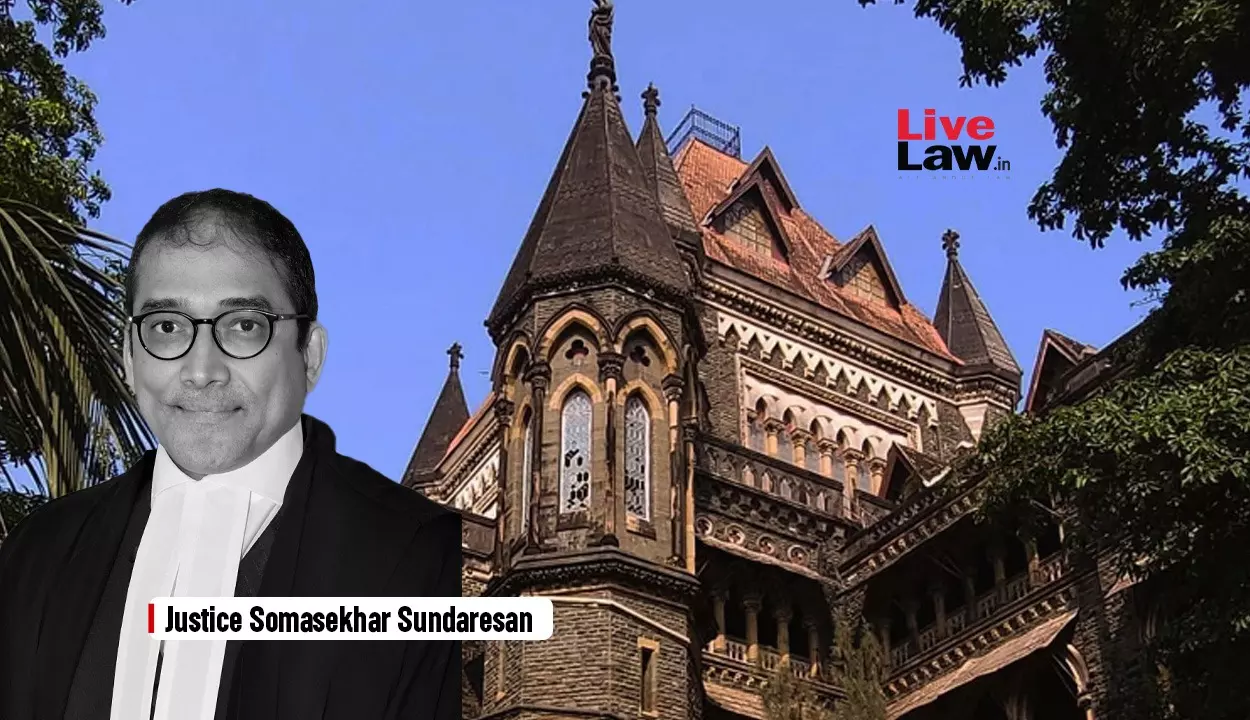
Arbitral Award Holder Must Return Amount Withdrawn From Court After Insolvency Resolution: Bombay High Court
The Bombay High Court has held that where an arbitral award passed against a company is under challenge, and the company later successfully comes out of insolvency, the award holder cannot retain money withdrawn from court deposits if the claim itself is wiped out under an approved resolution plan. The court said such amounts must be returned, as the award itself no longer survives. A single-judge bench of Justice Somasekhar Sundaresan, in an order dated December 17, 2025, allowed an interim...
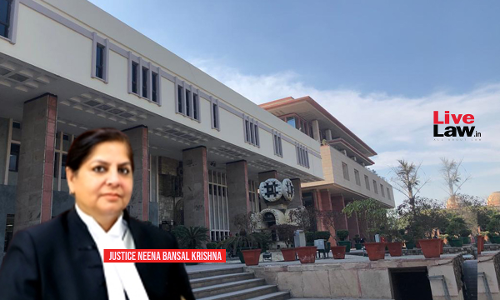
Cheque Dishonour Prosecution Barred When Accounts Are Blocked By Insolvency Law: Delhi High Court
The Delhi High Court has quashed three criminal cases linked to cheque dishonour, reiterating that cheques returned with the remark “account blocked” due to insolvency proceedings cannot lead to criminal prosecution.A single bench of Justice Neena Bansal Krishna passed the order while allowing petitions filed by Farhad Suri and Dhiren Navlakha, directors of Sumeru Processors Pvt. Ltd. The court said the section 138 of the Negotiable Instruments Act pertaining to cheque dishonor apply only when a...
Disputes Over Oppressive Extraordinary General Meetings Lie Outside Civil Courts: Calcutta High Court
The Calcutta High Court has held that disputes alleging oppression of a member through an Extraordinary General Meeting are company law disputes that fall squarely within the jurisdiction of the National Company Law Tribunal. The court reiterated that these disputes cannot be examined by a civil court. Bhaskar Gupta, a long-standing member of Calcutta Club Ltd for over four decades and a former chairman of the club's finance sub-committee, had challenged an EOGM convened by the club to consider...
IBC Resolution Doesn't Extinguish Statutory Claims Left Open By NCLT: Calcutta High Court
The Calcutta High Court has clarified that approval of a resolution plan under insolvency law does not wipe out claims that were specifically excluded and left open by the tribunal at the time of approval.A Division Bench of Justices Madhuresh Prasad and Supratim Bhattacharya, in an order dated December 8, 2025, dismissed an appeal filed by S.S. Natural Resources Pvt Ltd and upheld a demand for transfer fees raised by the West Bengal Industrial Development Corporation for industrial land at...
Mesne Profit Claims After IBC Resolution Can Proceed Only Against Former Management: Calcutta High Court
The Calcutta High Court has recently held that proceedings to calculate mesne profits can continue only against a company's former management once a resolution plan is approved under the Insolvency and Bankruptcy Code.Mesne profits refer to the claim arising from unlawfully occupying someone else's property. The court clarified that such proceedings cannot continue against the company itself or its new management after the resolution plan takes effect. A division bench of Justices Debangsu...

Kerala High Court Revives Two KELTRON Subsidiaries After Two Decades, Recalls Winding Up Orders
The Kerala High Court has recalled its winding up orders against two subsidiaries of Kerala State Electronics Development Corporation Ltd (KELTRON), allowing the revival of Keltron Power Devices Ltd (KPDL) and Keltron Rectifiers Ltd (KRL). The court noted that there was no legal or procedural bar to reopening the companies in view of changed circumstances and fresh government approval. KELTRON is a state-owned electronics major engaged in IT hardware and software. Its group companies also...
Civil Court Cannot Grant Injunctions In NCLT Matters, High Court Can Set Them Aside: Kerala High Court
The Kerala High Court has recently reiterated that civil courts have no jurisdiction to entertain suits in matters that fall within the exclusive domain of the National Company Law Tribunal (NCLT). The court held that injunctions granted in violation of the Insolvency and Bankruptcy Code are "patently illegal" and liable to be struck down. The ruling was delivered by a single bench of Justice K Natarajan in an order dated December 12, 2025, while dismissing a review petition filed by T Beena,...